
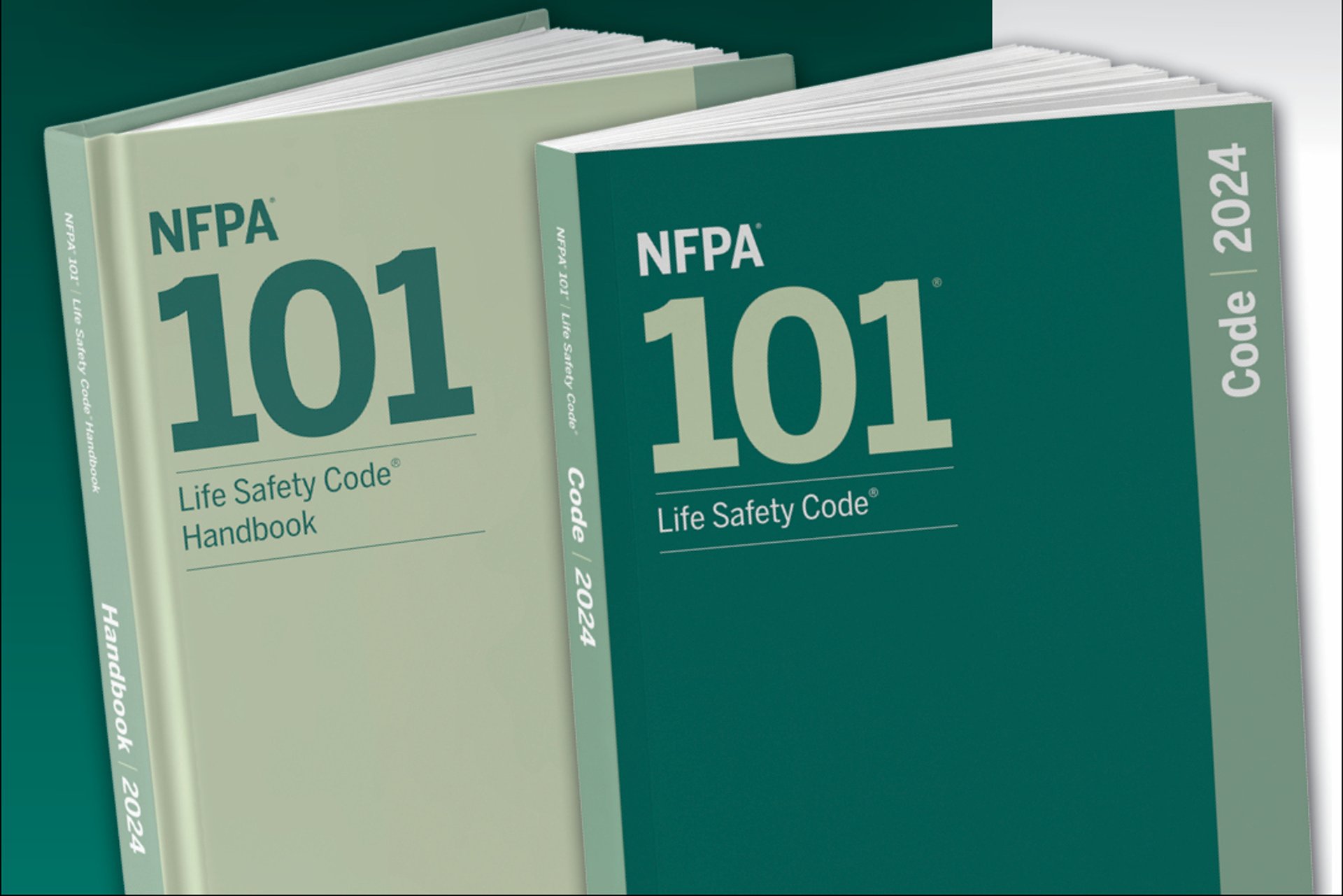
NFPA 101 Life Safety Code Compliance Guide
Ensure your commercial facility meets strict fire safety codes with certified testing, systematic diagnostics, and timely maintenance...
Or just let us do the hard stuff!
Three Pillars of Compliance
Municipal codes require strict adherence to NFPA 101 emergency lighting readiness. We manage your egress lighting systems to keep your property fully prepared for upcoming safety audits and actual emergencies.
30/90 Testing
Certified Inspection Logs
Proactive Prevention
Monthly 30-second testing and annual 90-minute load testing verifies that backup batteries maintain required illumination levels and all components work correctly throughout a full discharge cycle.
We generate complete, code-compliant documentation delivered directly to your facility for organized reporting.
Prevent costly fines and liability risks with scheduled diagnostic inspections of all backup power systems and timely replacement of consumable parts.
NFPA 101 Compliance Clear Answers
How often is emergency lighting testing required?
What emergency lighting documentation is required?
NFPA 101 standards mandate monthly 30-second functional tests alongside comprehensive annual 90-minute load tests for all emergency egress lighting systems.
Records typically include: date and duration of the test, location of the fixture, pass/fail result, corrective actions taken and the person performing the test. Let us do the hard part while you stay code compliant.
Ready to schedule your annual compliance review? Our certified technicians ensure your building remains fully compliant and safe.
How long do exit signs and emergency lights need to stay lit after power loss?
Fixtures are required to automatically activate during a power outage, providing illumination for exits, egress paths, and discharge areas for at least 90 minutes.
How bright do emergency lights need to be?
Emergency lighting must maintain an average illumination of at least 1 foot-candle along the path of egress with a minimum of at least 0.1 foot-candle at any point. At the 90 minute mark, average illumination cannot drop below 0.6 foot-candle.
Are self-testing / self-diagnostic exit and emergency lights compliant?
Yes, as long as these fixtures continuously and automatically monitor system status, test, provide visual fault indication and maintain retrievable testing records. In short, that means they still need to be visibly inspected with accompanying records.
Are self-luminous (tritium, photoluminous glow-in-the-dark) exit signs compliant?
Yes, as long as these fixtures are listed to UL924 standards, provide continuous illumination and meet the visibility and performance requirements stated for electrically illuminated signs. This still requires visible inspection and accompanying records typical to electrical exit signs.